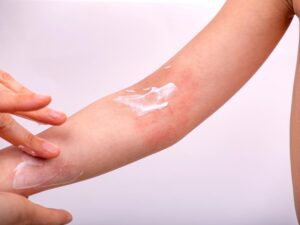


Eczema, also known as atopic dermatitis, is a common skin condition that affects millions of children and adults worldwide. It often appears as red, itchy, and inflamed patches of skin, which can flare up and calm down over time. While eczema is not contagious, it can be frustrating and uncomfortable for those who experience it.
What Causes Eczema?
The exact cause of eczema isn’t fully understood, but it’s believed to result from a combination of genetics, immune system response, and environmental triggers. People with eczema often have a weakened skin barrier, making the skin more sensitive to irritants such as soaps, detergents, dust, or even certain foods.
Common Symptoms.
-
Dry, itchy, or scaly skin
-
Red or inflamed patches
-
Thickened or rough skin from repeated scratching
-
Oozing or crusting in severe cases
Symptoms can vary in severity and may appear anywhere on the body, especially on the face, arms, legs, and behind the knees or elbows in children.
Managing Eczema Flare-Ups.
While there is no permanent cure for eczema, flare-ups can be managed effectively. Key steps include:
-
Moisturizing regularly to strengthen the skin barrier
-
Avoiding harsh soaps or chemicals that may irritate the skin
-
Wearing breathable clothing to prevent sweating and irritation
-
Identifying and reducing triggers, such as allergens, certain foods, or stress
Eczema in Children.
Children are especially prone to eczema, with many showing symptoms within the first few years of life. Parents often notice dry, itchy patches that disturb sleep or cause discomfort. Gentle, non-steroidal skin care and professional guidance can help children find relief and prevent long-term irritation.
When to Seek Professional Care.
If eczema flare-ups become frequent, severe, or interfere with daily life, it’s important to seek advice from a doctor. A personalized approach helps manage the condition effectively while keeping skin safe, especially for children with sensitive skin.